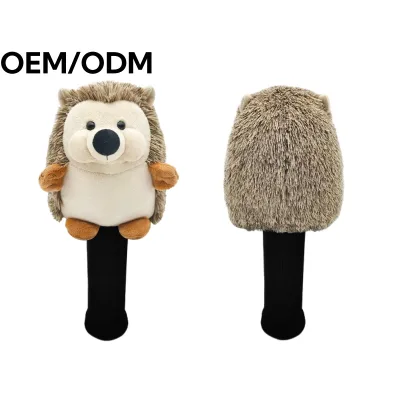
Source plush animal golf head covers for drivers, fairways, and bags
Find 30 verified options for plush animal golf head covers from Guangdong suppliers. Compare models like AH02 and G010, check MOQs, materials, and customization features to select the right protective gear for your club collection.
Key considerations
Products List
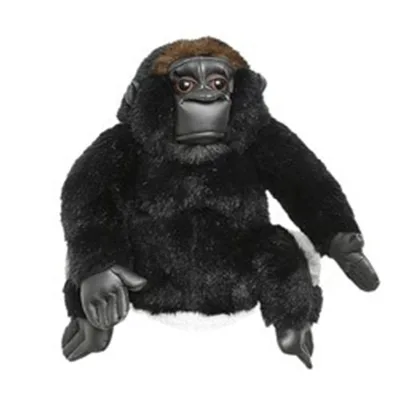
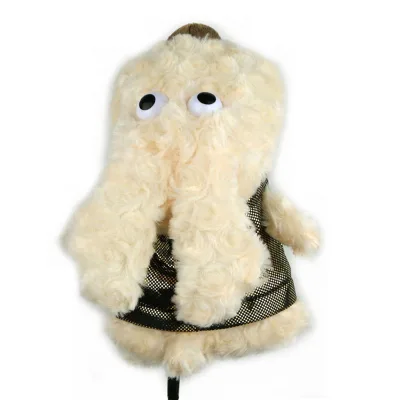
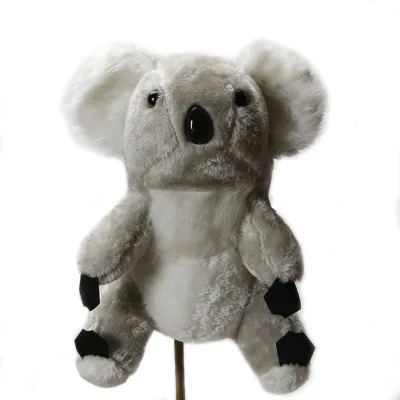
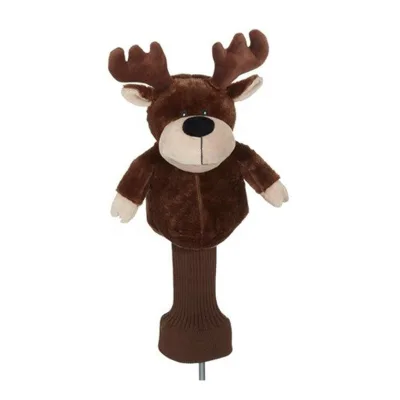




Comprehensive Sourcing Guide
Strategic Sourcing Guide for Plush Animal Golf Head Covers
Understanding Product Specifications and Material Composition
When sourcing plush animal golf head covers, buyers must first establish a clear understanding of the technical specifications that define product quality and functionality. The core of these items lies in their material composition, which typically combines plush and cotton or polyester blends to achieve a soft, tactile finish. This material selection is critical not only for the aesthetic appeal of the "animal" design but also for the durability required to protect expensive golf club heads. The observed product attributes indicate that these head covers are designed with specific dimensions, often ranging from 31cm to 50cm in height, ensuring they fit various club types, from drivers to irons.
The manufacturing techniques employed are equally significant. Embroidery is a standard feature for logo application, allowing for high-definition branding that withstands repeated use and washing. Unlike printed logos, embroidered designs offer superior longevity and a premium feel. The product structure generally includes a single package size ranging from 15x10x10 cm to 25x15x8 cm, with individual gross weights varying between 0.18 kg and 0.800 kg depending on the size and complexity of the animal design. Buyers should verify that the specific model they select, whether designated as AH02, G010, or G04, aligns with their inventory requirements regarding weight and volume. The "interesting and durable" nature of these products suggests a focus on both playful aesthetics and functional protection, making them suitable for the "14 Years & up" age demographic, which encompasses most adult golfers.
Compliance Standards and Quality Verification Protocols
Quality assurance in the manufacturing of plush golf accessories requires rigorous adherence to international safety and quality standards. For buyers in the B2B sector, verifying that a supplier maintains specific factory audits is a non-negotiable step. The supply chain data indicates that reputable manufacturers often hold certifications such as ICTI, BSCI, NBCU, and ISO9001. These audits ensure that the production facility operates with ethical labor practices and maintains a consistent quality management system. Furthermore, the products themselves are expected to meet high safety standards, with claims of passing ASTM, CE, and EN71 tests.
ASTM standards are particularly relevant for textile products intended for general use, ensuring that materials do not contain harmful substances. CE and EN71 certifications are crucial for products that may be perceived as toys or have components that could be handled by children, although the primary target is adult golfers. Buyers must explicitly request test reports to confirm that the plush materials and dyes used in the embroidery process comply with these regulations. It is essential to understand that while these standards are observed in the market, they are not automatically guaranteed for every listed item. Procurement teams should include clauses in their contracts that mandate third-party testing for every production batch to ensure that the "High Standard" claim is substantiated by data. The absence of specific test results in a product listing should be treated as a red flag requiring immediate clarification before proceeding with an order.
Cost Drivers and Pricing Dynamics
The pricing structure for plush animal golf head covers is influenced by several variable factors, including material costs, customization complexity, and order volume. The observed market price range spans from $0.97 to $11.00 per unit, a significant variance that reflects differences in design intricacy, material quality, and branding requirements. The lower end of the spectrum typically corresponds to standard designs with minimal customization, while the higher prices are associated with complex embroidery, premium plush textures, or unique animal shapes that require more material and labor.
Minimum Order Quantity (MOQ) is another critical cost driver. The market data shows an MOQ range between 50 and 500 pieces, with some suppliers offering OEM/ODM services at a lower threshold of 100 pieces. Buyers must balance their budget constraints with the need for economies of scale. Ordering closer to the higher end of the MOQ range often results in a lower unit cost, but it increases the upfront capital investment. Additionally, the packaging details play a role in the final landed cost. Standard packaging involves placing one piece in a PE bag, with 50 pieces packed into a master carton of 55cm x 53cm x 51cm. Customized packaging solutions, while adding value to the retail presentation, may incur additional fees. Buyers should calculate the total cost of ownership, including shipping from the port of dispatch (typically Shenzhen) and any potential tariffs, rather than focusing solely on the unit price.
Supplier Evaluation and Operational Capabilities
Evaluating a supplier for plush golf head covers requires a deep dive into their operational capacity and flexibility. The supply ability of top-tier manufacturers can reach up to 100,000,000 pieces per month, indicating a robust production infrastructure capable of handling large-scale orders. However, buyers should not assume that all suppliers listed in a catalog possess this capacity. It is vital to verify the actual production volume and lead times for specific orders. The sample time is typically cited as 5-7 days, which serves as a benchmark for how quickly a buyer can validate a design before committing to a full production run.
Flexibility in design and branding is another key evaluation metric. The market supports a wide range of customization options, including OEM and ODM services, with logos accepted via embroidery. Some suppliers offer "Customized Designs" and allow for specific color choices such as White, Khaki, Green, or Gray, while others may offer fully customized color palettes. Buyers should assess the supplier's ability to handle "Design: OEM Service" requests, ensuring they have the technical expertise to translate a concept into a physical product without compromising quality. The "Brand Name" field often shows "Gostar" or "wosofe" as examples, but most suppliers operate under an "OEM" model, meaning they can produce goods under the buyer's own brand. This capability is essential for businesses looking to build their own brand identity in the golf accessories market.
Typical Applications and Market Usage
Plush animal golf head covers serve a dual purpose: functional protection and aesthetic expression. Their primary application is as a driver club head protector, shielding the club face from scratches, dirt, and moisture during transport in a golf bag. The soft texture of the plush material ensures that the club head is not damaged upon contact with other clubs. Beyond their protective function, these items are highly valued for their decorative appeal. The "cute," "soft," and "washable" features make them popular among golfers who wish to personalize their equipment.
The market usage extends beyond professional golfers to include recreational players and gift buyers. The "interesting" nature of the animal designs makes these head covers attractive as corporate gifts, promotional items, or retail products. The versatility of the product allows for use in various settings, from golf courses to retail stores. The "Usage" field explicitly mentions "Golf Driver Club Head Protector," but the design flexibility allows for adaptation to other club types. Buyers should consider the target demographic when selecting designs; while the age range is listed as "14 Years & up," the playful nature of the products often appeals to a broad audience. Understanding these applications helps in tailoring the product line to specific market segments, whether focusing on high-end protection or fun, customizable accessories.
Quality Control and Long-Term Procurement Strategy
Implementing a robust quality control (QC) strategy is essential for maintaining brand reputation in the golf accessories market. Given the tactile nature of plush products, QC should focus on material consistency, stitching integrity, and embroidery quality. Buyers should establish clear acceptance criteria for color accuracy, as "customized" colors can vary between batches. The "Feature: Durable" claim must be validated through physical testing to ensure the plush material does not pill or fray after repeated use. Additionally, the weight and dimensions of the finished product must remain consistent with the specifications provided, such as the single gross weight of 0.18 kg to 0.800 kg.
For long-term procurement, buyers should prioritize suppliers who offer a seamless transition from sampling to mass production. The ability to accept "Custom Logo" and "Customized Designs" indicates a supplier's willingness to collaborate closely with the buyer. Establishing a partnership with a supplier who has a proven track record of passing ASTM, CE, and EN71 tests ensures that the supply chain remains compliant with international regulations. Buyers should also consider the logistics of the "Port of dispatch," which is typically Shenzhen, and factor this into their supply chain planning. By maintaining a continuous dialogue with suppliers regarding quality metrics and production schedules, buyers can mitigate risks and ensure a steady supply of high-quality plush animal golf head covers.
Comparative Analysis of Product Variants
To assist buyers in making informed decisions, the following table compares key attributes of the observed product variants based on the provided data. This comparison highlights the differences in specifications, materials, and customization options that influence the final product selection.
| Attribute | Variant A (e.g., AH02) | Variant B (e.g., G010) | Variant C (e.g., G04) |
|---|---|---|---|
| Product Name | Plush golf animal headcovers | Golf headcover | Golf animal head covers |
| Material | Plush/cotton | Not specified (implied plush) | Polyester, Plush |
| Logo Technique | Embroidery | Not specified | Embroidered |
| Color Options | Customized | White, Khaki, Green | Gray |
| Single Package Size | Not specified | 16x12x8 cm | 25x15x8 cm |
| Single Gross Weight | Not specified | 0.18 kg | 0.350 kg |
| MOQ | 200 pieces | 100 pieces (OEM/ODM) | Accept Custom Logo |
| Features | Interesting and durability | Durable | Cute, Soft, Washable |
| Factory Audits | ICTI/BSCI/NBCU/ISO9001 | Not specified | Not specified |
This table illustrates that while all variants share the core function of protecting golf clubs, they differ significantly in material composition, color availability, and packaging dimensions. Buyers should select the variant that best aligns with their specific brand requirements and target market preferences. The variation in MOQ and weight also suggests that different suppliers may cater to different order sizes and shipping constraints. By carefully analyzing these differences, buyers can optimize their procurement strategy to achieve the best balance of cost, quality, and customization.
FAQs
What materials are used for plush animal golf head covers?
These head covers typically combine plush with cotton or polyester blends to ensure a soft texture. The material selection supports both the aesthetic animal design and the durability required to protect expensive golf club heads from scratches and moisture.
How are logos applied to these golf head covers?
Logos are applied using embroidery techniques to ensure high-definition branding that withstands repeated use. Unlike printed logos, embroidered designs offer superior longevity and a premium feel suitable for the 14 years and up demographic.
Which certifications do the factories hold for these products?
Reputable manufacturers often hold certifications such as ICTI, BSCI, NBCU, and ISO9001 to ensure ethical labor practices. Products are also expected to meet safety standards like ASTM, CE, and EN71 to verify material safety for general use.
Can buyers customize the colors and designs of the covers?
Yes, suppliers accept customized designs and offer color options including white, khaki, green, and gray. Buyers can request specific branding through OEM services with embroidery, allowing for unique animal shapes and tailored color palettes.
What is the typical minimum order quantity for these items?
The minimum order quantity ranges from 50 to 500 pieces depending on the supplier and customization level. Some OEM services may accept orders starting at 100 pieces, while standard listings often require a minimum of 200 pieces.
How long does it take to receive a sample of the product?
The sample time is typically cited as 5 to 7 days for validation before committing to mass production. This allows buyers to verify the plush texture, embroidery quality, and dimensions like the 31cm to 50cm height range.
Where are these golf head covers manufactured and shipped from?
The products originate from Guangdong, China, and are dispatched from the port of Shenzhen. This location supports a supply ability of up to 100,000,000 pieces per month for large-scale orders.